




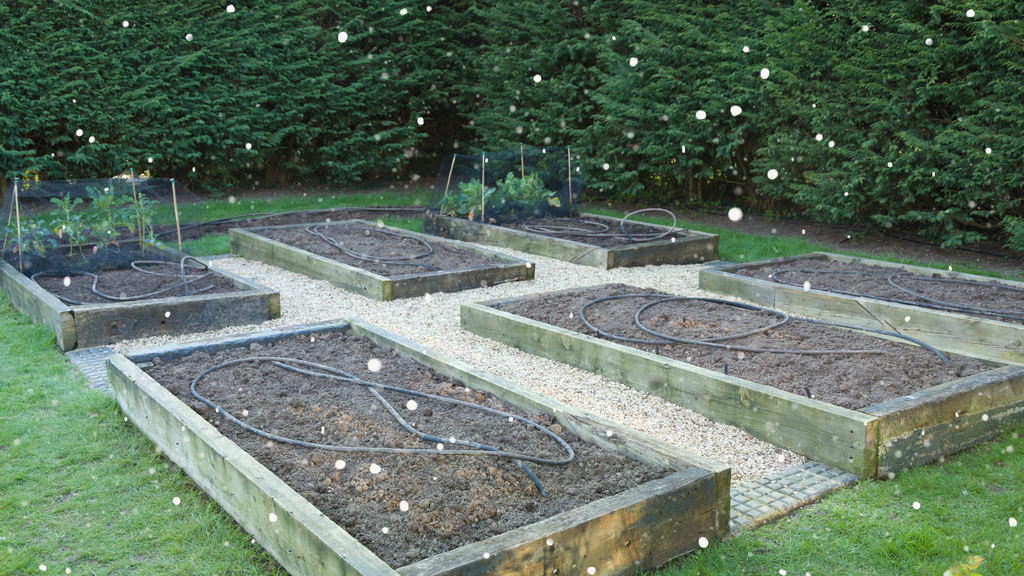
Winter Steps for Spring Garden Success
As we harvest the last crops from our summer and fall gardens, there is a sense of completion in the air. You have worked for the last several months to reap the benefits of a successful vegetable or flower garden. Now what? Yes, to a certain extent we need to simply wait for spring. However, there are a few things you can do right now to prepare your garden beds for winter and set them up for success in the spring.
Assess and Clean Up
If you do nothing else this fall to prepare your garden for winter, I hope you do this: Remove dead or diseased plant matter. Removing unnecessary plant matter (especially if it was diseased or infested) will significantly reduce the chances of that pest or disease showing up again next year. It also prevents unwanted pests from overwintering and showing up first thing in the spring. Get rid of any weeds as well. It seems unnecessary to weed this late in the season, but it will prevent them from popping up super early in the spring if you get rid of them now. It will save you weeding time later! Throw healthy plant matter (even weeds) in the compost bin and burn or otherwise dispose of diseased or infested plant matter far away from your garden beds. You don’t want to throw that stuff in your compost pile.
Enrich The Soil
Another simple thing you can do is enrich the soil. Add a layer of compost or leaves on top of your garden beds. It will slowly incorporate into the soil throughout the winter and have the soil ready and rich for spring time. This is a great way to use up fall leaves! If you are using uncomposted leaves, I do recommend chopping them up with a mulcher or lawn mower to reduce the amount of time they will take to decompose back into the soil. You can also protect the soil by adding a layer of mulch in the fall. This will “lock in” the nutrients in the soil and insulate perennial roots. If you live in a more mild climate without heavy winter snow and ice, I highly recommend looking into a winter cover crop to add even more nutrients into the soil, prevent erosion, and reduce weeds.
Quick Tip: If you’ve always wanted to get a soil test done, now is a great time! The labs usually aren’t busy and when you get your results you’ll have plenty of time to adjust the pH or otherwise amend the soil before spring planting begins. Contact your local extension office for details.
Protect and Tidy Perennials
Another great way to set up your garden for swift spring success is by properly preparing your perennials. Perennials are any of your plants that return each year without you having to plant them again. I could write a whole book on preparing perennials because, unfortunately, they all need slightly different care. I recommend identifying each perennial in your yard and finding out what care they need. It usually comes down to if they need to be cut back in the fall or spring and if they need to be mulched or fertilized and when. Many perennials will survive without this care but doing so may improve their blooming or foliage ability (depending on the plant). For example, hostas should be cut back but coneflowers should be left over the winter. Check in with your local extension office if you have specific questions about your plants or your area. They will know how to help! They also often have many resources on their websites with a plethora of information about local plants and gardening practices.
Clean and Put Away Tools
Another great way to prevent the spread of disease from year to year is by properly cleaning and storing your garden equipment. All of your trowels, shovels, pruners, saws, hoses, hose nozzles/heads, and any other garden tools should be cleaned of any dirt or other debris and sanitized. There are many ways to sanitize your equipment effectively but an easy way is by dipping each item in a bucket filled with 9 parts water and 1 part bleach. Dip, wipe dry, and store out of the elements; in a garage or garden shed should do the trick. Not only will this reduce the spread of disease and fungi, but it will also help your tools to last longer and be easier to start using again in the spring.
Plan and Prepare
My last piece of advice for winter prep is to write down what you learned this year while it’s still fresh. Hopefully, you’ve been keeping a detailed garden journal throughout the year, but let’s be honest, who remembers to do that all the time? Take some time right now to write down everything important you remember from this growing season. What worked? What didn’t? What will you definitely be growing next year? Sketch your garden layout so you can practice crop rotations properly. Make an improved plant for next year while everything is still fresh in your mind.
Winterize Your Garden
Taking a day right now to complete these tasks and set your garden up for success might seem like a chore but, when we’re all chomping at the bit in the springtime, it will ensure your garden has a clean and tidy springboard for success to catapult it into bloom and production. Look at winter as a time of renewal and planning. A little effort now means a flourishing garden when the snow melts.
About This Expert:
Lara Wadsworth is a freelance horticulture writer with a Bachelor's degree in Horticulture and over three years of experience creating engaging content about gardening and plant care. As a wife, mom, and dog lover, Lara understands the importance of balancing a busy life with a thriving garden. She values practical advice and effective strategies that empower beginners and experienced gardeners alike to grow with confidence. Through her writing, she aims to inspire others to enjoy the rewards of gardening, no matter their skill level.