


Buying Emergency Food for Your Family
- → Buying Emergency Food for Your Family (Complete Guide)
- → How Much Emergency Food Does a Family Actually Need?
- → Will Our Emergency Food Actually Last as Long as We Think?
- → Is 2,000 Calories Per Person Per Day Really Necessary?
- → What Is the Best Emergency Food for a Family?
- → What's the Difference Between Freeze-Dried, Dehydrated, and Grocery Food?
- → How Long Does Emergency Food Really Last?
- → Should I Compare Emergency Food by Price, Calories, or Servings?
- → Can Emergency Food Work for Allergies or Special Diets?
- → Why Can't I Just Buy Extra Food at the Grocery Store?
- → What Are the Biggest Mistakes Families Make When Buying Emergency Food?
- → What Is Needed to Prepare Emergency Food?
- → Will My Family Actually Eat Emergency Food?
What Is Needed to Prepare Emergency Food?
This question comes up because food feels like the biggest decision. Once that part is handled, it’s normal to pause and wonder if something important is missing.
Emergency food does not stand on its own. But that does not mean the answer is complicated. In most cases, a few basic needs determine whether stored food is actually usable. You do not need a perfect setup or a long list. You just need to understand what emergency food relies on to stay usable when everyday systems are disrupted.
Most families will prepare emergency food during normal, everyday disruptions. Power outages, boil-water notices, weather events, or staying home unexpectedly are far more common than extreme scenarios. That’s why planning for water and simple meal preparation usually covers what people actually experience.
Emergency Food Depends on Water
Most long-term emergency food is dry on purpose. Removing water is what allows it to stay safe and shelf-stable for many years. That also means these meals only work if you have enough clean water available to prepare them.
It’s easy to think of food and water as separate categories. In real life, they are closely connected. Water is needed not only to make meals, but also for basic hygiene like washing hands, brushing teeth, and cleaning up after eating.
Short disruptions make this connection obvious. A boil order, frozen pipes, or a brief power outage can limit water access even when food is available. In those moments, food without water quickly becomes frustrating and hard to use.
You don’t need to overthink this. Just consider your emergency food water needs alongside your everyday household and drinking water needs. When the two are planned together, meals remain simple, safe, and comforting even during short disruptions.
Emergency Food Depends on a Way to Prepare It
The most common situation that leads families to use emergency food is a power outage. When electricity goes out, daily routines change quickly, and cooking is one of the first things affected.
Most emergency meals need water and heat to prepare properly. Having a backup way to boil water or warm food matters more than the exact method. This might be a stove that works without electricity, an outdoor option, or another safe heat source you already know how to use.
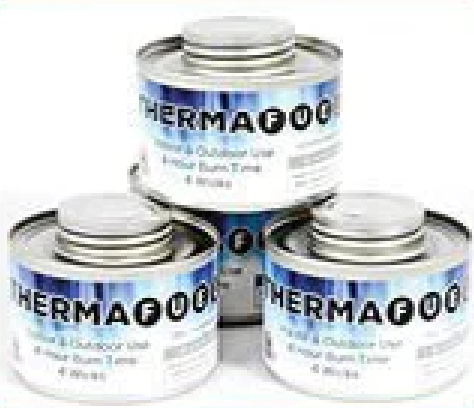
Heat requires fuel, and that detail is easy to overlook. Whatever method you plan to use should have a reliable fuel source available when power is out. The specific type matters less than understanding how long it lasts, how it is stored safely, and how comfortable you are using it.
Once you have a method in mind, it helps to test it ahead of time. During a short outage or winter storm, stress often comes from trying to use unfamiliar equipment while tired or cold. Plans work best when they rely on simple methods you already understand.
Emergency Food Depends on Appropriate Cookware
Most homes already have cookware that works well for everyday meals. In many cases, that same cookware can be used to prepare emergency food. The issue is not having special pots or pans, but understanding their limits.
Some common cookware is designed for stable stovetops and controlled heat. It may not be safe or practical over an open flame or a small backup heat source. Very heavy cookware like cast iron can be difficult to use on compact stoves or uneven surfaces.
This does not mean you need to replace what you own. It simply means knowing which pieces you would actually use if power were out, and which ones would stay on the shelf. Lighter, simple cookware that heats evenly is often easier to manage in short disruptions.
Not every situation requires full meal preparation. Some emergency foods can be shared, eaten in smaller portions, or combined with pantry items when conditions are limited. Flexibility matters more than perfection.
How This Fits Together
When people ask what is needed to prepare emergency food, they are usually wondering if they are missing something important. The answer is often simpler than expected. Emergency food relies on water, a way to prepare it, and a small amount of forethought around comfort and routine.
Once those pieces are acknowledged, food plans stop feeling fragile. Confidence replaces worry, even if everything is not fully built out yet.
See more: Emergency Water Storage for Families
The Takeaway
Emergency food works best when it is part of a calm, realistic plan. You do not need to plan for everything or buy everything at once. When water, preparation, cookware, and basic comfort are considered together, food remains usable and stress stays lower. Preparing emergency food is about steady footing, not perfection.
Download Our Complimentary Smart Start Guide to Emergency Food Storage
This article is designed to stand on its own. For readers who want a simple planning reference, the Smart Start Guide to Emergency Food Storage offers a helpful companion overview.
Sources and References
These recommendations align with guidance from U.S. public health and emergency management agencies on emergency food preparation, water needs, food safety, sanitation, and short-term household disruptions.
-
Ready.gov — Food
Guidance on the relationship between stored food, water availability, and preparation needs during power outages and other short-term emergencies. This supports planning food and water together rather than as separate categories. -
CDC — How to Create and Store an Emergency Water Supply
Outlines how much water households should plan for and why water is essential for food preparation and hygiene. This supports the article's emphasis on water as a core dependency for emergency food. -
CDC — Keep Food Safe After a Disaster or Emergency
Explains how power outages and disasters affect food preparation, hygiene, and safety, reinforcing the need for safe preparation methods and clean water. -
USDA FSIS — Keep Your Food Safe During Emergencies
Guidance on food handling, sanitation, and cooking considerations when utilities are disrupted. This supports recommendations around safe meal preparation during short disruptions.
Reviewed for accuracy against current Ready.gov, CDC, and USDA emergency preparedness and food safety guidance.