

Buying Emergency Food for Your Family
- → Buying Emergency Food for Your Family (Complete Guide)
- → How Much Emergency Food Does a Family Actually Need?
- → Will Our Emergency Food Actually Last as Long as We Think?
- → Is 2,000 Calories Per Person Per Day Really Necessary?
- → What Is the Best Emergency Food for a Family?
- → What's the Difference Between Freeze-Dried, Dehydrated, and Grocery Food?
- → How Long Does Emergency Food Really Last?
- → Should I Compare Emergency Food by Price, Calories, or Servings?
- → Can Emergency Food Work for Allergies or Special Diets?
- → Why Can't I Just Buy Extra Food at the Grocery Store?
- → What Are the Biggest Mistakes Families Make When Buying Emergency Food?
- → What Is Needed to Prepare Emergency Food?
- → Will My Family Actually Eat Emergency Food?
What Are the Biggest Mistakes Families Make When Buying Emergency Food?
Most people are used to buying groceries they’ll eat this week, not food meant to sit on a shelf for years. Emergency food introduces unfamiliar variables, big numbers, and decisions people don’t make often.
Many of the mistakes families make come from oversimplifying the process or assuming that everyday shopping habits apply. When key details are skipped or decisions are rushed, problems tend to show up later, not at the point of purchase.
Understanding these common missteps helps families avoid unnecessary frustration and feel more confident about the plans they put in place.
Mistake 1: Planning on Rotation as the Plan
Many families rely mostly on grocery or pantry food for emergencies, with the intention of rotating items regularly and replacing them as they expire. On paper, this approach makes sense.
In real life, rotation often falls behind. Busy schedules, changing tastes, and forgotten items can turn good intentions into expired food. Emergency food exists in part to reduce that long-term maintenance. It’s designed to stay stable and usable without requiring frequent tracking or replacement.
This doesn’t mean pantry food has no place in preparedness. It simply means emergency food serves a different purpose. One reduces ongoing effort. The other requires regular attention. Understanding that difference helps families plan with less stress and fewer surprises later.
Mistake 2: Buying First and Planning Later
Some families buy emergency food to get the task done, with the intention of sorting out the details later. This often happens when the topic feels overwhelming and time feels limited.
The problem is that emergency food works best when it fits basic needs and circumstances. How meals are prepared, how much water is required, and where food will be stored all affect how useful that food will be. When those questions are left unanswered, uncertainty tends to show up after the purchase instead of before it.
A small amount of planning upfront helps emergency food feel supportive rather than confusing. The goal isn’t to plan every scenario. It’s to understand how the food would be used during an ordinary disruption.
Mistake 3: Comparing Emergency Food Companies by One Number
Calories, servings, days, and meals are useful planning tools, but they aren’t meant to be used on their own. Many families latch onto a single number and assume it tells the full story.
In practice, numbers are guideposts, not guarantees. A plan that looks solid on paper can feel thin if it doesn’t match how people actually eat, cook, or share meals. Emergency food planning works best when numbers support real-life use instead of replacing it.
See more: Should I Compare Emergency Food by Price, Calories, or Servings?
Mistake 4: Forgetting About Special Dietary Needs
Emergency food plans are often built around averages. Average calories, average meals, average preferences. It’s an easy starting point, especially when families are trying to simplify decisions.
What sometimes gets missed are individual needs within the household. Allergies, sensitivities, medical diets, or even strong food aversions can affect how usable a plan feels during a disruption. When those needs aren’t considered, food that looks adequate on paper may not feel supportive in real life.
This doesn’t mean every detail has to be solved at once. It simply means pausing to consider who will be eating the food and whether it works for them. Small adjustments can make a plan feel far more comfortable and reliable.
Mistake 5: Ignoring Familiar Foods
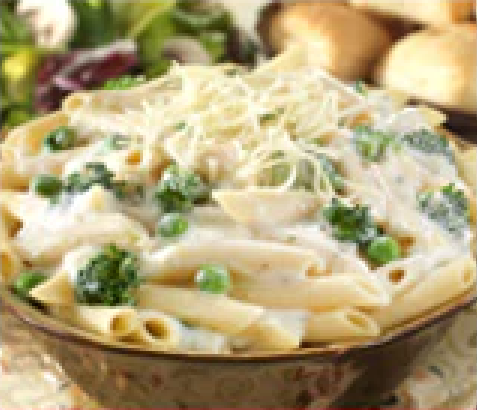
When families plan emergency food, they often focus on calories and shelf life first. That’s reasonable. What sometimes gets overlooked is familiarity.
During a disruption, routines are already off. Meals that feel unfamiliar or unappealing can add friction, especially for children or older family members. This doesn’t mean emergency food has to mirror everyday meals. It simply means recognizing that familiar flavors and formats can make a stressful situation feel more manageable.
For many people, small sweet items can also play a role. Having an occasional treat can lift morale, ease stress, and help people get through another long or uncertain day.
Including food people are willing to eat helps emergency food serve its purpose: reducing strain during an already disrupted day.
Mistake 6: Storing Emergency Food Wrong
Many families make good choices when buying emergency food, then reduce its effectiveness by where they store it. Garages, sheds, and attics feel convenient and logical places to keep bulky items out of the way.
The challenge is that temperature and moisture matter over time. Large swings in heat or humidity can shorten the usable life of food and affect taste and texture, even when packaging is intact. This happens slowly, which is why it’s easy to miss until the food is needed.
Emergency food is designed to be stable, but it still benefits from being stored in a cool, dry, indoor space. Closets, spare rooms, or interior storage areas tend to provide more consistent conditions than outdoor or semi-outdoor spaces.
Choosing a location that helps the food perform as intended when you need it can reduce future worry and avoid unnecessary disappointment.
Mistake 7: Overlooking Preparation Needs
Emergency food isn’t meant to stand alone. It usually requires water, heat, time, and basic preparation. Families sometimes focus so much on the food itself that they overlook what else is needed to actually use it.
This doesn’t mean planning for extreme conditions. It simply means thinking through ordinary disruptions. If the power is out for a day or two, how will meals be prepared? Emergency food is meant to make those moments easier, not harder.
See more: What Is Needed to Prepare Emergency Food?
Mistake 8: Planning Only for Current Needs
Children grow quickly, and emergencies don’t pause for age differences. Families also change over time. Spouses, new children, visiting relatives, or blended households can all shift food needs faster than expected. A common mistake is planning based only on how a household looks and eats today.
Many planning guidelines recommend treating children as adults when estimating food needs. This isn’t because children eat the same way, but because it helps avoid running short later. The goal isn’t precision. It’s flexibility and a bit of margin built into the plan.
Mistake 9: Waiting Too Long to Decide
Many families put off emergency food planning because they worry about making the wrong choice. With so many options and opinions, waiting can feel safer than committing.
The problem is that waiting often creates more stress, not less. Even a modest, well-considered plan provides flexibility and relief. Emergency food planning works best when it’s treated as something that can be adjusted over time, rather than a single decision that has to be flawless and last forever.
Mistake 10: Not Considering Mobility or Evacuation
Pantry food can be a useful short-term option, especially when families are sheltering at home. The challenge appears when plans change quickly.
In an evacuation, heavy cans and bulky items are harder to move and transport. Loading a car under time pressure makes weight, space, and convenience matter more than they do on paper. Emergency food planning works best when families briefly consider how food would travel, not just how it would be stored.
This doesn’t mean planning for extreme scenarios. It simply means recognizing that different situations place different demands on food, and that flexibility helps reduce stress.
The Takeaway
Emergency food exists to make disruptions feel more manageable, not more complicated. Most mistakes happen when families rush decisions, rely on assumptions, or skip over how food will actually be used in real situations.
When emergency food is planned with everyday life in mind, it becomes a quiet source of confidence rather than a lingering question mark. Clarity matters more than perfection, and small, thoughtful decisions go a long way toward reducing stress when routines are disrupted.
Download Our Complimentary Smart Start Guide to Emergency Food Storage
This article is designed to stand on its own. For readers who want a simple planning reference, the Smart Start Guide to Emergency Food Storage offers a helpful companion overview.
Sources and References
These recommendations align with guidance from U.S. public health and emergency management agencies on household preparedness, food planning, storage, and emergency response.
-
Ready.gov — Food
Provides practical guidance on planning food supplies that support household needs during short-term and extended disruptions. -
CDC — Keep Food Safe After a Disaster or Emergency
Highlights practical food safety considerations for common emergencies that disrupt daily routines and access to food. -
USDA FSIS — Keep Your Food Safe During Emergencies
Offers guidance on food storage, preparation, and safety considerations when normal routines are disrupted. -
FDA — Food and Water Safety During Power Outages and Floods
Provides information on maintaining food safety and usability during power outages, floods, and other emergency conditions.
Reviewed for consistency with current CDC, FEMA (Ready.gov), USDA, and FDA emergency preparedness guidance.