

Buying Emergency Food for Your Family
- → Buying Emergency Food for Your Family (Complete Guide)
- → How Much Emergency Food Does a Family Actually Need?
- → Will Our Emergency Food Actually Last as Long as We Think?
- → Is 2,000 Calories Per Person Per Day Really Necessary?
- → What Is the Best Emergency Food for a Family?
- → What's the Difference Between Freeze-Dried, Dehydrated, and Grocery Food?
- → How Long Does Emergency Food Really Last?
- → Should I Compare Emergency Food by Price, Calories, or Servings?
- → Can Emergency Food Work for Allergies or Special Diets?
- → Why Can't I Just Buy Extra Food at the Grocery Store?
- → What Are the Biggest Mistakes Families Make When Buying Emergency Food?
- → What Is Needed to Prepare Emergency Food?
- → Will My Family Actually Eat Emergency Food?
What Is the Best Emergency Food for a Family?
The best emergency food for a family isn’t about finding a single “perfect” product. It’s about choosing food that actually works for real people, real appetites, and real stress.
Emergency food companies are quite different from one another, which is why it pays to do a little research before buying.
Many families start this search hoping for a simple answer. They want to know which brand is best, which bucket to buy, or which package checks every box. The problem is that emergency food works differently than everyday groceries, and families work differently than individuals.
The best emergency food for a family is food your family can rely on, prepare, and eat consistently during a stressful situation.
That sounds simple, but a few key factors make a big difference.
Start With Meals, Not Just Calories
One of the biggest mistakes families make is judging emergency food by calorie numbers alone. Calories matter, but they don’t tell the full story.
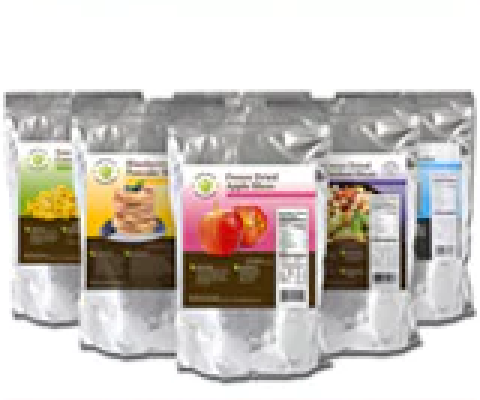
A family needs real meals. That means breakfasts and entrées with enough volume, protein, and variety to feel like food, not just a collection of snacks. Packages that rely heavily on filler items like sugary drinks, puddings, or plain starches can hit calorie targets but still leave people hungry and frustrated.
For families, meals matter because children and teens rely on structure and routine, adults need steady energy to manage stress and problem solving, and filling meals help maintain morale during longer disruptions.
Government guidance from FEMA and Ready.gov focuses on having enough food and water but does not evaluate commercial food products. That puts the responsibility on families to look beyond price and calorie numbers and understand what they are actually buying.
See more: Should I Compare Emergency Food by Price, Calories, or Servings?
Look for Balanced Nutrition Over Longer Periods
Emergency food is not meant to be gourmet. It’s meant to get you through until things return to normal. That said, it should still provide balanced nutrition.
Families should look for food that includes:
- A reasonable amount of protein per serving
- Carbohydrates that provide sustained energy
- Fats included in a controlled way, not just empty calories
- Fruits and vegetables where possible, even if limited
The USDA and FDA both emphasize that nutrition quality affects energy, mood, and physical resilience, especially during emergencies when stress is already high.
Food that is nutritionally thin may be acceptable for a day or two. Over weeks, it becomes a problem.
Serving Sizes Vary Widely
Serving size is one of the most overlooked details in emergency food packages.
Some companies list entrée and breakfast servings as small as one third or one half of a cup. On paper, this helps inflate the serving count and lowers the price per serving, which can look attractive. In real life, families often need two or three servings of these brands to feel satisfied.
When evaluating food for a family:
- Check the entrée and breakfast serving size
- Look at calories per serving, not per pouch
- Confirm how many actual meals the package provides. If servings are small, you may need to double them
Families don’t eat like marketing charts. They eat until they’re full.
Variety Helps Families Stick With the Plan
Variety helps prevent food fatigue, especially for children.
A good family food plan includes:
- Multiple entrée and breakfast options
- Meals that feel familiar
- The ability to add simple pantry items like rice or favorite spices
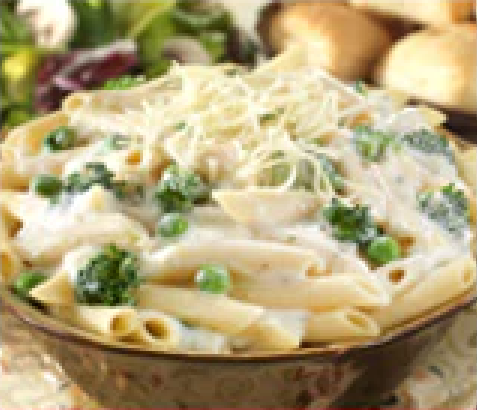
Many emergency food companies rely on similar “crowd favorite” meals like Alfredo or Stroganoff. While this can be helpful, quality and flavor can vary widely depending on recipes and ingredients.
Consider Preparation Needs
During an emergency, convenience matters.
Long term emergency food lasts because water is removed from the food and oxygen is removed from the container. Without water and oxygen, bacteria cannot grow. However, to safely prepare these meals, most long term emergency food requires:
- Clean water
- A heat source
- Time to prepare meals properly
Important: These foods should never be eaten dry. Doing so can cause dehydration.
According to Ready.gov, families should plan for backup water and cooking methods in addition to food they can prepare with limited or no utilities.
Shelf Life and Storage Conditions Matter
Long shelf life is one of the main reasons families buy emergency food, but shelf life only works if storage conditions are right.
Emergency food should be stored:
- In a cool, dry location
- Away from garages, attics, and sheds
- Protected from temperature swings
The FDA confirms that heat and moisture can dramatically shorten food life, even for properly packaged products.
See more: How Long Does Emergency Food Really Last?
Key Takeaway
For most families, the best emergency food plan includes meals designed for long term storage, reasonable serving sizes, protein levels, flexibility to add familiar ingredients, and clear, transparent labeling.
There is no single bucket that fits every family. The best choice is the one that matches your family size, storage space, dietary needs, and comfort level with preparation.
Download Our Complimentary Smart Start Guide to Emergency Food Storage
This article is designed to stand on its own. For readers who want a simple planning reference, the Smart Start Guide to Emergency Food Storage offers a helpful companion overview.
Sources and References
These recommendations align with guidance from U.S. public health and emergency management agencies on emergency food planning, nutrition considerations, food safety, preparation requirements, and long term storage conditions.
-
Ready.gov — Food
Household guidance on planning emergency food supplies, preparing food with limited utilities, storage considerations, and backup cooking needs. This supports recommendations on realistic food planning and preparation during emergencies. -
USDA FSIS — Food Product Dating
Explains what product dates mean and how quality changes over time, supporting guidance on proper storage locations and the importance of temperature control for long-term emergency food. -
FDA — Food and Water Safety During Power Outages and Floods
FDA food safety guidance for emergencies, including preparation, handling, and risks related to improper use. This supports recommendations about water requirements and safe preparation. -
USDA & HHS — Dietary Guidelines for Americans
Outlines balanced nutrition needs, including protein, carbohydrates, and fats. This supports guidance on evaluating emergency food quality over longer periods. -
CDC — Keep Food Safe After a Disaster or Emergency
Guidance on food and water safety when utilities are disrupted, supporting recommendations related to preparation needs, clean water access, and avoiding unsafe food practices during emergencies.
Reviewed for accuracy against current FEMA, FDA, USDA, and CDC emergency preparedness guidance.